2700K–3000K Diwali House Lights for U.S. Homes: Diyas to Permanent
2700K–3000K Diwali House Lights for U.S. Homes: Diyas to Permanent
The best Diwali house lights combine a handful of real diyas at the entrance and puja space with warm-white LED strings and lanterns everywhere else. Stick to 2700K to 3000K bulbs so the glow matches diya flame color. If setting up and taking down lights every year has worn thin, a permanent, app-controlled installation solves that problem for good.
TL;DR:
- Permanent outdoor lighting systems with app control can be cost-effective for frequent hosts and eliminate annual takedown hassle, despite higher initial costs.
- Warm white LED lights in the 2700K to 3000K range are recommended to create a consistent festive glow that matches the natural hue of traditional diyas.
- Key outdoor and entrance areas should feature high-impact lighting, such as diyas or LED replicas, since they are the first impression for guests and neighbors.
- Indoor spaces like puja rooms benefit from real diyas or flameless LED versions placed near deities, layered with fairy lights for subtle ambiance.
- Always check for outdoor-rated fixtures with IP65 or higher and avoid mixing color temperatures to maintain a cohesive, polished appearance.
Best Types of Diwali House Lights and When to Use Each
Diwali gets its name from a string of lights that goes back centuries. Deepavali literally means “row of lights,” and the traditional lamp behind that name is the diya, a small clay or metal vessel that holds oil and a cotton wick, according to Britannica. Every other lighting style you see this season is essentially a modern variation on that original idea.
Here’s how the main options stack up:
- Clay diyas: unmatched ritual authenticity for the puja corner and front threshold, but they need constant supervision, a steady oil supply, and a spot away from anything flammable.
- LED diyas and tealights: look nearly identical to the real thing without the flame, making them the safer pick for apartments, kids’ rooms, and any spot near curtains or furniture.
- String and fairy lights: cheap, flexible, and visible from the street. Choose warm-white bulbs, and grab an outdoor-rated set for anything going outside.
- Curtain and lantern lights: deliver the most visual drama for feature walls, balcony backdrops, or that one photo-worthy corner of the living room.
- Solar and battery-powered lights: solve the problem of a balcony or pathway with no nearby outlet, and battery units let you finish a last-minute setup in minutes.
Design guides increasingly recommend a layered approach: one permanent anchor fixture, a row of eye-level lamps, and a temporary festive layer of diyas and strings on top, according to Bright House. That structure works whether you’re decorating a two-bedroom apartment or a full house.
Where Should You Put Diwali Lights in Your Home?
Decor guides consistently point to the same starting order: clean first, then decorate the entrance and puja room before touching anything else, per this room-by-room Diwali guide. Those two spaces get the most foot traffic and the most ritual weight, so they deserve the first pass of your lighting budget.
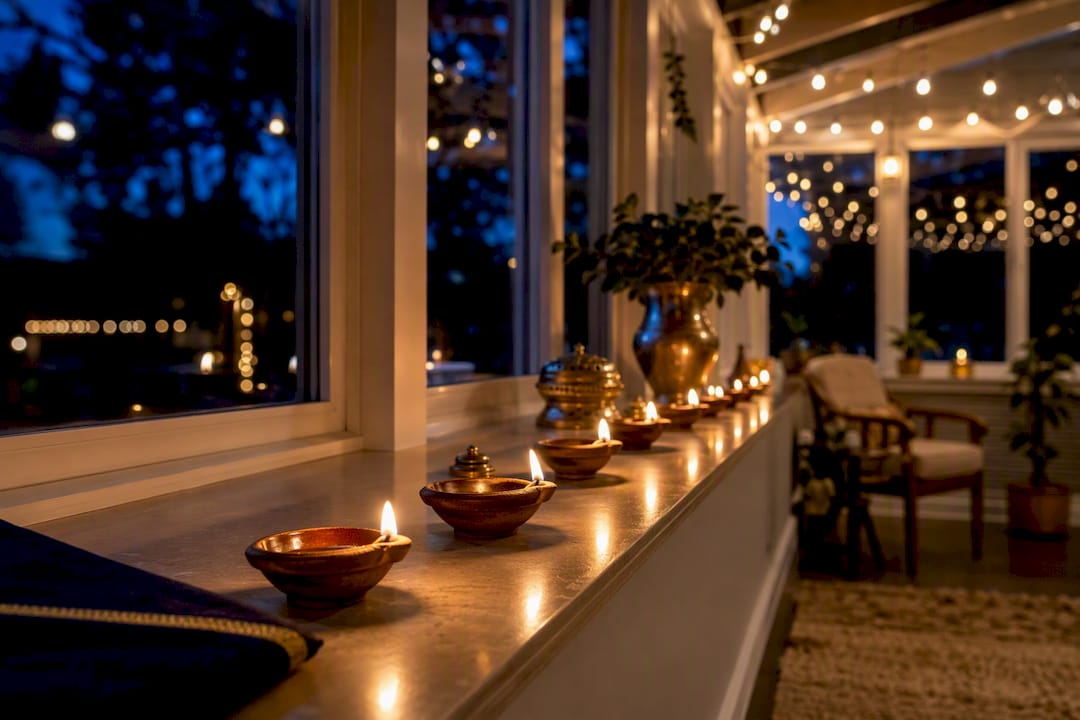
- Entrance and threshold: line the doorway with a row of diyas or LED diya replicas, then frame the door itself with warm-white string lights. This is the single highest-impact spot to spend on a quality fixture, since it’s the first thing guests and neighbors see.
- Puja or altar space: keep this area on real diyas or flameless LED versions positioned close to the deity or shrine, supplemented by a small strand of warm fairy lights along the shelf edge.
- Living and dining room: hang curtain lights behind the main seating wall or drape them along a media console for a soft glow that doesn’t compete with conversation.
- Balcony and railings: wrap string lights around railings and posts, spacing clusters evenly to avoid an overloaded look.
- Windows and one facade focal point: pick a single window or roofline section as your outdoor statement piece rather than trying to light the entire exterior.
Apartment dwellers can adapt every one of these steps vertically. Clamp-mounted rope lights on a balcony rail, a small lantern hung in a window, or a strip of LED diyas on a windowsill all deliver the same effect without needing yard access. For a small flat, two to three light zones (entrance, one window, one interior wall) is plenty. Larger houses can extend to five or six zones without looking cluttered, as long as each zone stays visually distinct rather than blending into one continuous strip.
What Color Temperature Works Best for Diwali Lighting?
Stick to warm white, in the 2700K to 3000K range. That band mimics the natural amber tone of an oil flame, which is why design sources consistently recommend it for any room guests will walk through, according to Bright House. Cool white (5000K and up) reads more like an office ceiling light than a festival glow, and it clashes badly with brass diyas, wood furniture, and gold decor accents.
Skip the multicolor blinking strands too. They photograph poorly and feel more like a carnival booth than a home celebration. Smart, color-changing LEDs still have a place: they work well for a backdrop wall or a one-off photo setup where you want a pop of color for an evening. For everything else, keep it warm and steady.
One detail decor professionals flag often: keep every light source on the same sightline at the same color temperature. Mixing a 3000K string with a 5000K bulb in the same hallway makes the whole space look unfinished rather than intentional.
Diwali Safety Tips, Timeline, and Budget Planning
Fire safety comes first with any open flame. Never leave lit diyas unattended, and keep them well clear of curtains, rugs, and paper decorations. LED string lights and battery-operated tea lights generate almost no heat, which is why they’re the recommended substitute near fabric or anywhere a smoke detector is close by, according to Decorozy.
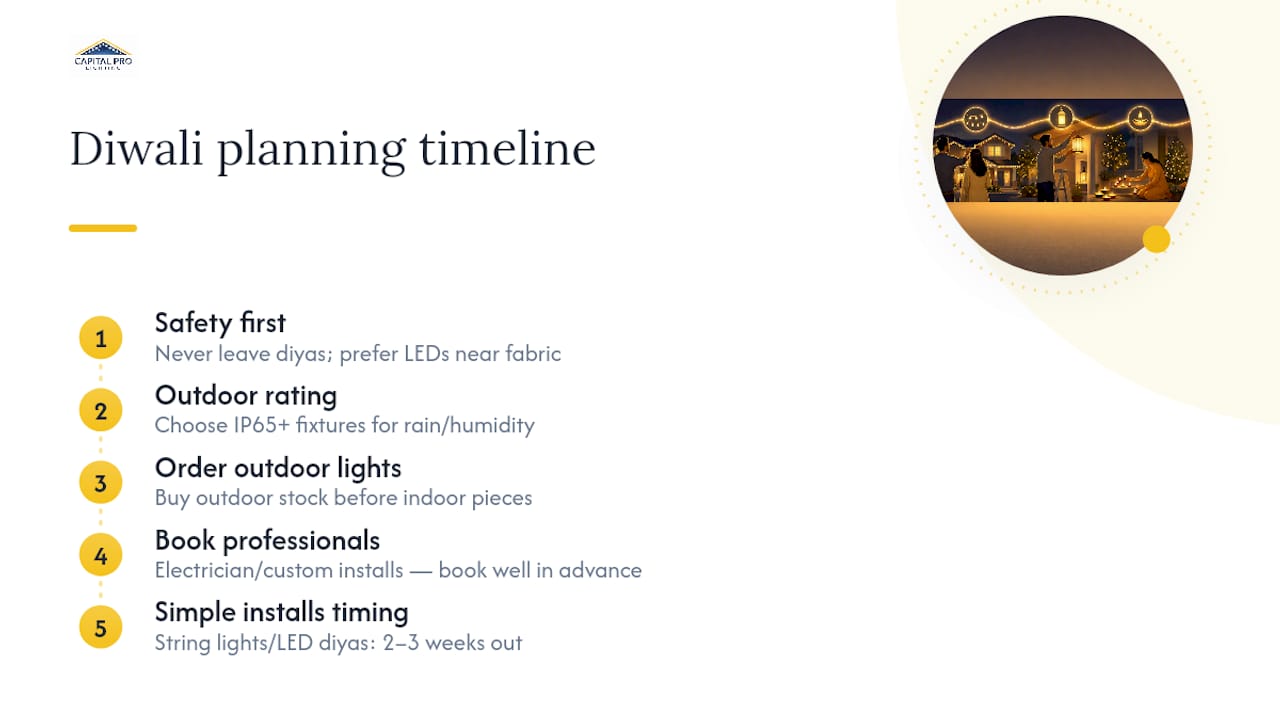
For anything installed outdoors, check for an IP65 rating or higher so the fixture can handle rain and humidity. Avoid daisy-chaining more than the manufacturer’s recommended number of light sets, and put larger displays on their own circuit rather than sharing one outlet with everything else on the porch.
Timing matters more than most people expect. If your setup involves an electrician or a custom fixture, professional planners recommend booking well in advance of Diwali, since installers fill up fast in that window. Simple string lights and LED diyas can wait until 2 to 3 weeks out.
Pro Tip: Order your outdoor-rated string lights before your indoor decor. Outdoor stock sells out first every year, and indoor pieces are easier to find last minute.
Budgets vary from modest setups that take an afternoon, to mid-range options with lanterns, curtain lights, and better quality LEDs that last multiple seasons; premium options include professional installations or permanent lighting systems which cost more upfront but eliminate annual setup.
Is a Permanent Lighting Install Worth It Over DIY?
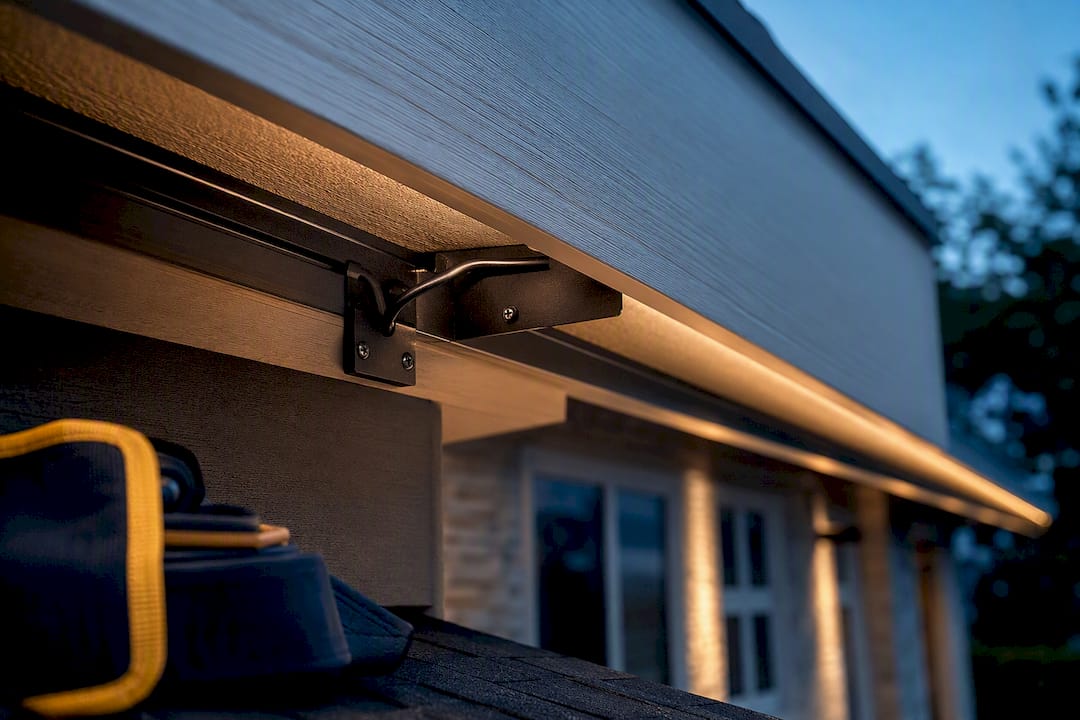
DIY lighting wins on flexibility and lets you skip commitment for a single season. A permanent, app-controlled system wins on convenience and durability, since there’s no ladder, no tangled bins, and no replacing strings every year or two. There are installers that offer permanent outdoor lighting systems with lifetime parts warranties and custom 3D-printed brackets for a clean finish. Homeowners who host every year or hate the annual takedown tend to get the most value from this route.
How Long Do Different Diwali Lights Actually Last?
Clay diyas are single-use by nature. Once the oil burns out, that’s it, though the clay vessels themselves can be reused year after year if stored carefully and kept dry between festivals.
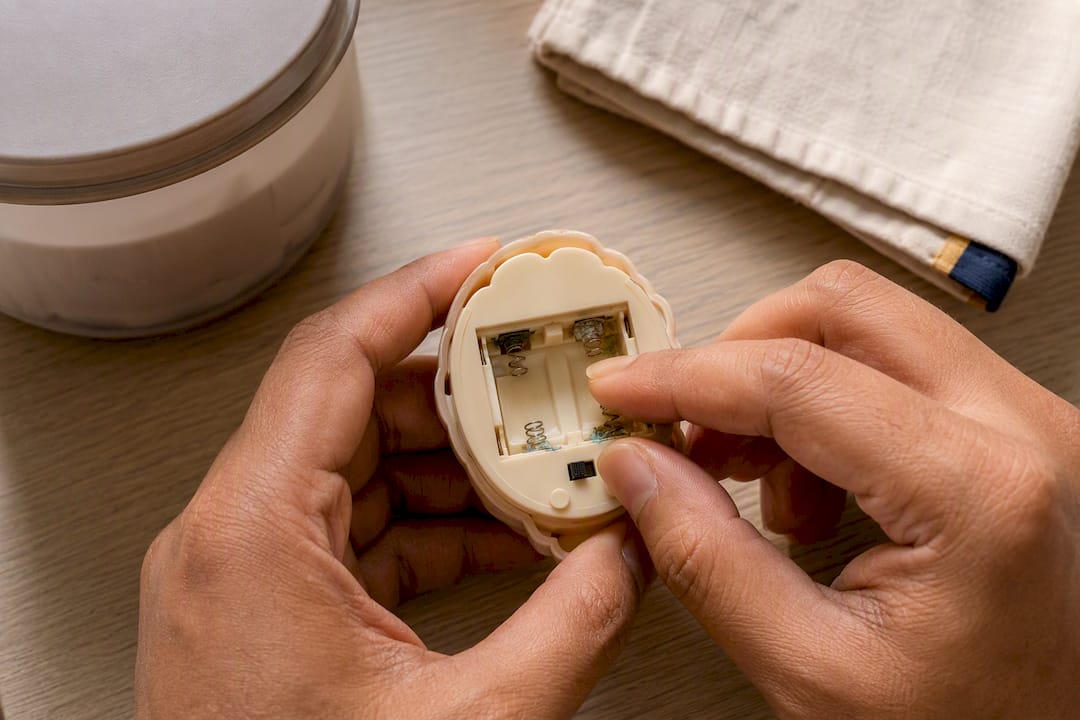
LED diyas and tealights hold up far better. Most run on replaceable batteries and last multiple Diwali seasons if you store them somewhere dry and out of direct sun, which prevents the plastic housing from becoming brittle. Check the battery contacts each year before use, since corrosion is the most common reason a “broken” LED diya is actually just fine.
String lights degrade at different rates depending on quality. Budget indoor-only sets often show their first burnt-out bulb within one or two seasons, especially if wound tightly during storage. Outdoor-rated, IP65-or-higher strings last considerably longer, particularly if you coil them loosely rather than wrapping them tight around a spool. Loose coiling protects the internal wiring at the bend points, which is where most string light failures actually start.
Curtain lights and lanterns are the most durable of the temporary options, largely because they see less physical handling than strings that get wound and unwound each year. A lantern hung once and left in place for the season will typically outlast a string light that gets moved, bent, and re-coiled multiple times.
Permanent installations sit in a different category entirely. Fixtures built for year-round outdoor exposure and covered under a lifetime parts warranty, like the tracks Capital Pro Lighting installs, remove the storage and replacement cycle altogether since the lighting stays mounted and simply gets reprogrammed for each holiday or event.
Where to Buy Quality Diwali House Lights
Big-box retailers and general home stores carry basic string lights and plastic LED diyas, which work fine for a budget setup but tend to have thinner wiring and shorter bulb life. Specialty Diwali and South Asian home goods retailers, both in stores and online, usually carry designer LED diyas, brass-look lanterns, and curtain lights built specifically for festival use, often with better warm-white color accuracy than generic string lights.
For anyone shopping online, check the color temperature listed on the packaging before adding anything to your cart. A string light advertised simply as “white” without a Kelvin number is a gamble, and it’s just as likely to land at 5000K as at 3000K. Reviews that mention “warm glow” or “cozy” are a reasonable proxy when exact specs aren’t listed.
Outdoor-rated fixtures deserve extra scrutiny regardless of where you buy them. Look for an IP65 rating or higher on anything going on a balcony, roofline, or facade, and confirm the product is rated for the temperature range in your area if you live somewhere with cold, damp winters.
For anyone who decides a temporary setup isn’t worth repeating, working with a local outdoor lighting installer is the other purchase channel worth considering. Capital Pro Lighting sources and installs permanent outdoor lighting systems directly, which sidesteps the retail shopping process for good.
DIY Setup vs. Hiring an Electrician: A Step-by-Step Look
Most temporary Diwali lighting is genuinely DIY-friendly. A basic setup looks like this:
- Clean the areas you plan to decorate first, since dust and cobwebs show up badly under warm LED light.
- Test every string and diya before hanging or placing it, so you’re not troubleshooting a dead bulb at the top of a ladder.
- Start at the entrance, working outward toward windows and the balcony.
- Secure outdoor strings with cable clips or adhesive hooks rather than nails, which damage siding and trim.
- Keep extension cords rated for outdoor use, and avoid running them through doorways or windows where they can fray.
- Plug large displays into a dedicated outlet rather than sharing a circuit with other holiday decor or appliances.
Call a licensed electrician when the job involves anything beyond a plug-in string light: adding new exterior outlets, wiring a permanent roofline track, or running power to a spot without existing access. It’s also the smarter call if your electrical panel is older or you’re unsure how many amps your outdoor circuit can handle. A home design partner resource on choosing focal points is worth a look too, since the same principles that make an entry door stand out apply directly to where you hang your brightest string of lights.
How Much Does Diwali Lighting Cost to Run?
LED lights use a fraction of the electricity that incandescent strings do, which matters if you’re running lights for multiple hours a night across a full week of celebrations. A standard LED string draws only a few watts per strand, compared to older incandescent mini-lights that generate noticeably more heat and pull more power for the same brightness.
Real oil diyas cost nothing in electricity but carry an ongoing cost in oil and wicks if you’re lighting dozens of them nightly. LED diyas run on batteries, which is a small recurring cost but nothing close to what an equivalent number of incandescent bulbs would draw.
Solar path lights are the most cost-efficient outdoor option by a wide margin, since they draw no household electricity at all after the initial purchase. Their tradeoff is dependence on daylight hours to charge, which can be unreliable during a cloudy stretch of the festival.
Permanent LED installations are also efficient on a per-hour basis, and the bigger cost-efficiency argument is the lack of replacement spending. Instead of buying new strings every year or two as bulbs burn out, a warrantied permanent system removes that recurring cost entirely, even if the upfront installation price is higher than a bag of string lights from the store.
Author Perspective: Balancing Ritual and Convenience
Based on years of watching how homeowners actually decorate for the holidays, the setups that age best are never all-diya or all-LED. They mix a handful of real flames where tradition calls for it and let warm LEDs carry the rest of the house. Tasteful Diwali lighting doesn’t require a big budget or a safety compromise. It just requires picking the right light for the right spot.
— Luis T
Make This the Last Year You Deal With Diwali Light Setup
Permanent outdoor LED lighting systems controlled entirely from a phone can switch roofline colors quickly without needing a ladder.
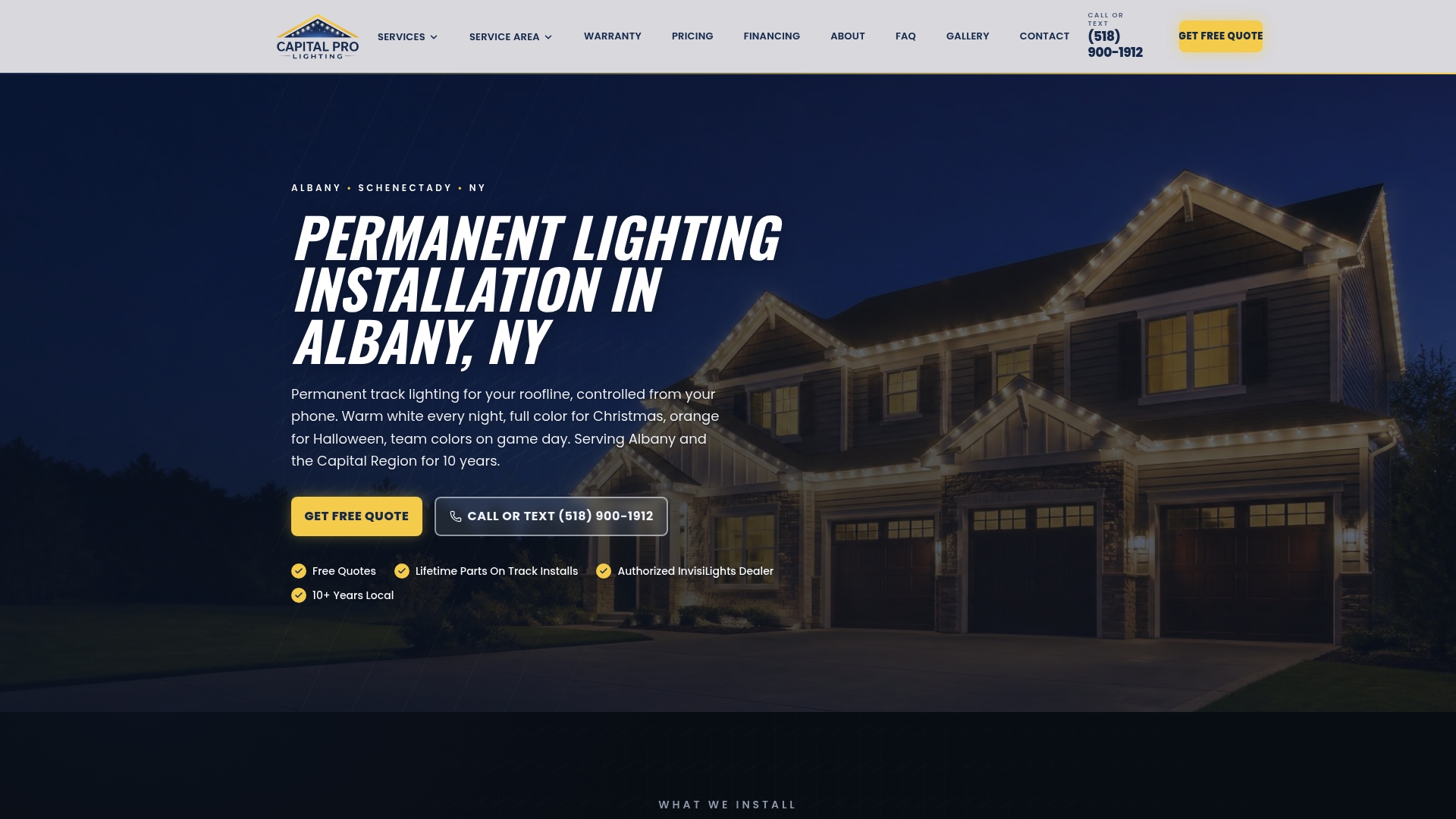
Some permanent lighting installations include lifetime parts warranties and custom 3D-printed brackets designed for a clean, finished look rather than visible clips and hardware. If you’re weighing a one-time string light purchase against never dealing with holiday takedown again, a permanent system pays that difference back every single season you use it, not just this one. This route makes the most sense if you already host guests every Diwali, or if climbing a ladder each year has simply stopped being worth it.
Getting started is straightforward. Reach out for a consultation, and have a few photos of your roofline or facade ready, along with a rough budget range and your preferred warm-white palette. From there, Capital Pro Lighting will walk you through what a permanent installation looks like for your specific home, with typical lead times running similar to the 6 to 8 week window recommended for any electrician-involved holiday lighting project.
Sources
- Diwali - Britannica
- Diwali lighting ideas for home | Bright House
- Expert Diwali decoration ideas with lights
FAQ
What Are the Lights in Diwali Called?
The traditional lights are called diyas, small oil lamps typically made of clay, and the name Deepavali itself translates to “row of lights.”
Which Lights Are Best for Diwali?
A mix works best: real or LED diyas for the puja space and entrance, plus warm-white (2700K to 3000K) LED string lights and lanterns for the rest of the house.
How Do You Light a House for Diwali?
Start with the entrance and puja room, then move to the living room, balcony, and one facade focal point, layering a permanent fixture with eye-level lamps and a temporary festive layer of diyas and strings.
What Color Is Best for Diwali Lighting?
Warm white in the 2700K to 3000K range is the recommended choice, since it matches the natural amber tone of a diya flame and looks more cohesive than cool white or multicolor lights.
Is a Permanent Lighting System Better Than String Lights for Diwali?
Permanent systems cost more upfront but eliminate annual setup, storage, and replacement, and options like Capital Pro Lighting’s permanent outdoor lighting let you switch colors by phone for every holiday, not just Diwali.
Recommended
Ready for a Brighter Home?
Free, no-pressure quotes across the Capital Region.
No obligation. Local installer. Same-day callback.
Reviewed by Capital Pro Lighting
Capital Pro Lighting installs permanent outdoor lighting, architectural lighting, and holiday lighting across Albany and New York's Capital Region. We are an authorized InvisiLights dealer and a Govee certified installer, with 10 years in business. More about our team.