
Bulb Spacing In Permanent Lighting, Explained
Spacing is the spec that decides how a system looks from the curb, and it is the one most quotes never mention. It is the distance between each LED along the roofline, and it is worth asking every installer for in writing.
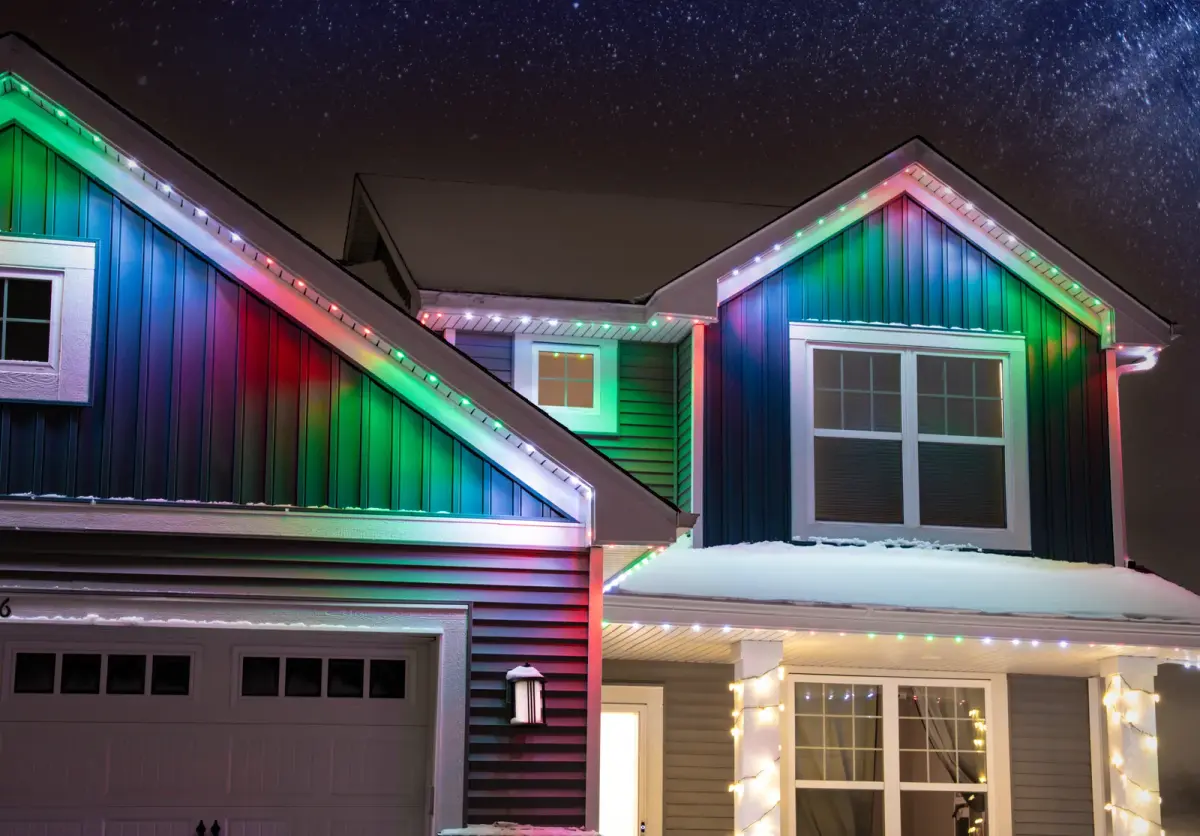 Any color, from your phone
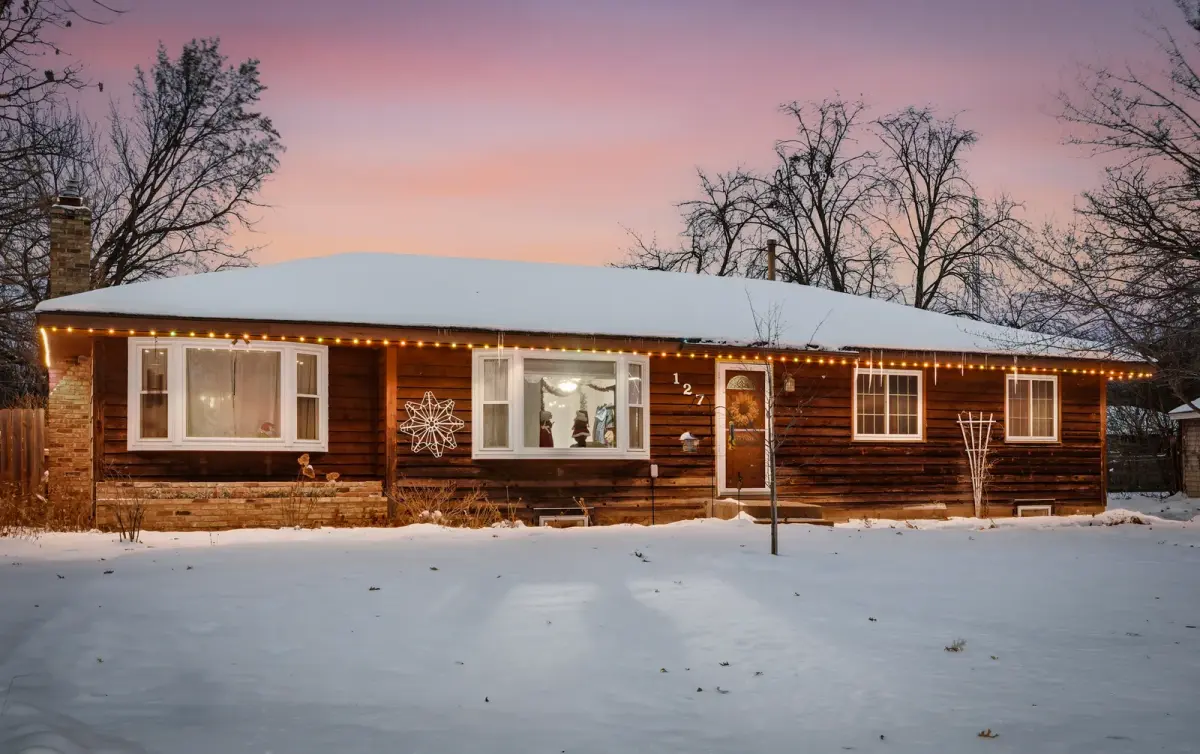 Warm white every other night
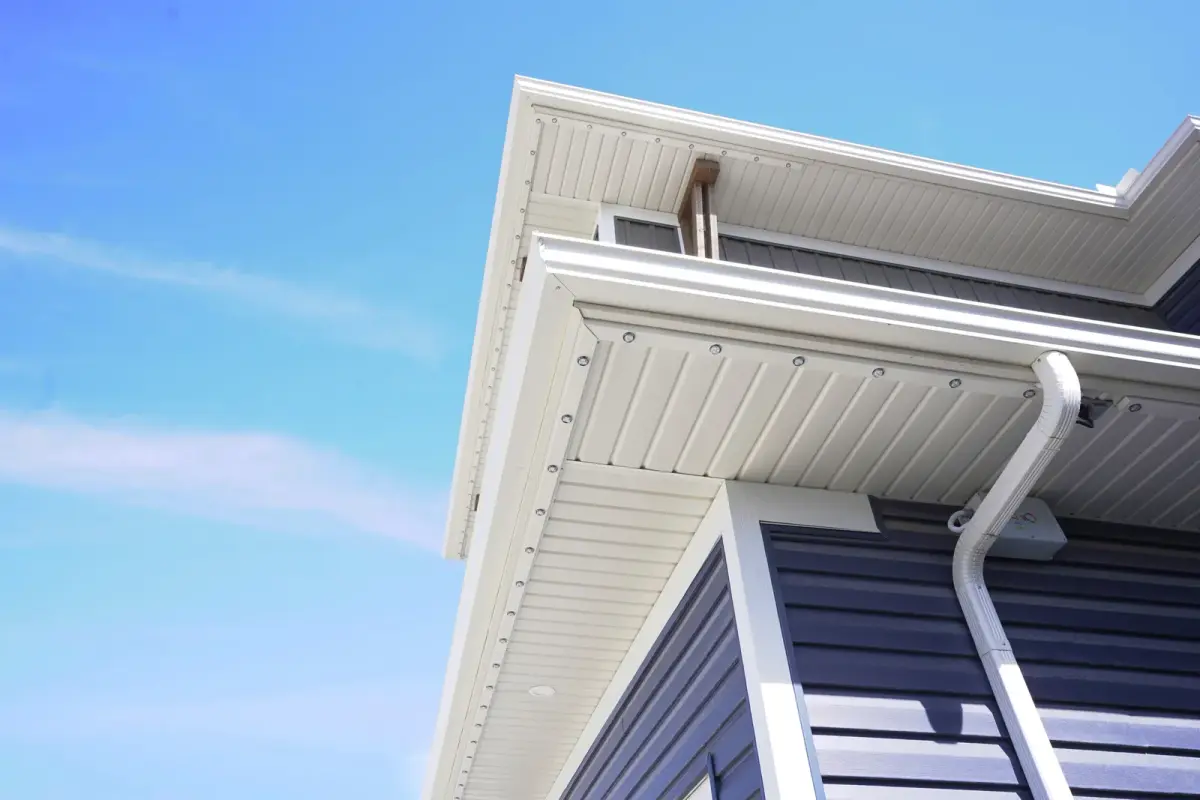 Track hidden in the soffit
Why Spacing Changes The Look
Closer lights blend into a continuous line. Wider lights read as separate points with dark gaps between them, which becomes obvious on a long straight eave and in any pattern that moves.
Our systems run 12 inch intervals on both track and trackless installs, with Elite Track at 9 inch intervals, so the line reads smooth on a long eave.
Spacing And Color Blending
Gradients, chases, and two color patterns all depend on how many lights sit in a given run. Tighter spacing gives a pattern more points to work with, so a gradient looks like a fade instead of a set of stripes.
The same effect programmed on wide spacing can look choppy on the same house. It is the light count, not the app, doing that work.
Signature Track Or Elite Track
Signature Track Lighting gives you a premium, polished line of light with fixtures set at 12 inch intervals. Elite Track Lighting is our highest density layout, set at 9 inch intervals, so the roofline reads as one continuous glow. Both are app controlled and carry the same warranty.
Want A Price For Your Roofline?
Takes about a minute, no site visit needed. We reply on weekdays, and Monday for anything that comes in over the weekend.
Spacing And Viewing Distance
The closer the road is to the house, the more spacing matters. On a tight street or a front porch you notice individual points quickly.
Set back off the road behind a lawn, wider spacing is more forgiving. We take that into account when we lay out a design.
What To Ask For In Writing
Ask for the spacing in inches and the total light count for your roofline. Two quotes can share a price per foot and still put a very different number of lights on your house.
Ask whether the lights are RGBW or RGB while you are there. Those two answers together tell you most of what you need to know about how the system will look at night.
- 12 inch intervals standard, Elite Track at 9 inch intervals, on track and trackless installs
- Tighter spacing reads as a line of light, not dots
- More lights per run means smoother gradients and chases
- Wider spacing is the tradeoff on lower cost systems
- We quote the exact light count for your roofline
- UL listed lights on every job
Common Questions
What spacing do you install?
Our lighting sits at 12 inch intervals on both track and trackless installs, with Elite Track at 9 inch intervals if you want a denser line of light, and we put the light count for your roofline in the quote.
Is tighter spacing always better?
It looks smoother, and it costs more because there are more fixtures. If the house sits well back from the road, wider spacing bothers people less.
How do I compare two quotes on spacing?
Ask both for spacing in inches and the total light count for your roofline. Price per foot alone hides the difference.
Does spacing affect brightness?
More lights across the same run put out more total light, so yes, spacing and perceived brightness move together.
Can spacing be changed after install?
Not without reworking the run. It is set by the fixture layout, which is why it is worth settling before you sign.
Where can I see the difference?
We show a side by side of tighter and wider spacing on our permanent lighting pages, and we can point you to installs near you. Call or text (518) 900-1912.